
Written by
Lesja og Dovre Fuglehundskole
Lesja and Dovre Fuglehundskole (Bird-Dog School) aims to create the best possible conditions for learning for dog and owner alike. Education and lasting behavioural change mean positive experiences for both dog and owner – not least the experience of an interaction that increases the joy of hunting and competition. The school offers courses and training, and offers pigeon training, kennels and a dog park.
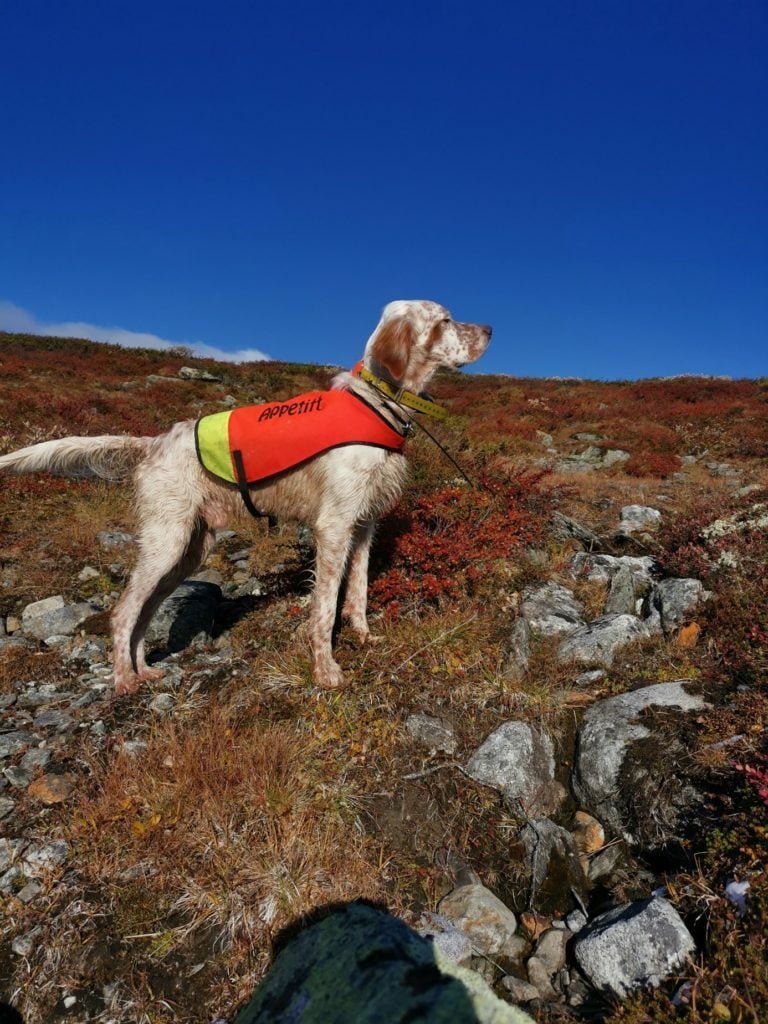
Feeding: part of the hunt preparation
Preparations for the hunt, or any period of extended activity, must start several weeks before the activity itself. While we very rarely change the actual food, we do adjust the quantity well in advance of the hunt, so that the dog’s ready to receive the what it’ll need out in the field. The day before the hunt starts, we’re generous with water. In our experience, dogs like dry food best when it’s not soaked. Plenty of water and food served straight away: this sharpens the appetite and it’s good for the teeth. It’s also important to remember that the dog must have sufficient time to recuperate. When the hunting party’s “social downtime” extends into the wee small hours, make sure the dog has the peace and quiet it needs.
HOT TIP
I teach my dogs to eat when they’re served food, not when they want to eat. This can be done from a young age. Don’t leave food out – give it to your dogs for about 30 minutes, then take it away.
As someone who’s worked with dogs in service, both on hikes and in more operational settings, this has proved to be very practical. I know that the dog always eats when he’s served his food (preferably twice a day) or when it needs a little top-up.
The right food for hunting dogs
For dogs, hunting is expensive, energy-wise. In order to perform, it needs the best food. The dog’s short digestive system and teeth tell us that this animal does best on a diet of raw animal products. These are the main ingredient in recognized feeds. A nutritious and balanced diet of good quality food is important for both humans and animals. Read up on the nutritional content of your feed. Choose high-energy feed and start with a gradual transition in good time. It’s not a bad idea to use the same feed throughout the year, adjusting the amount in relation to the activity level.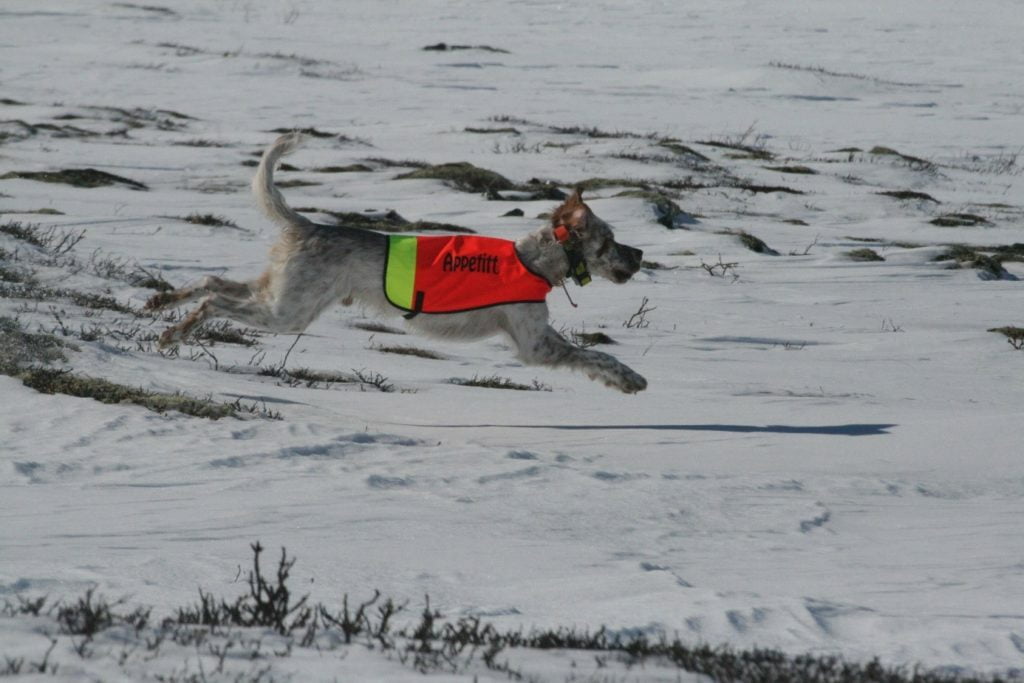
Photo: Lesja og Dovre Fuglehundsenter
A good piece of advice – keep an eye on your dog’s faeces. They tell you a lot about your dog’s wellbeing! The faeces should be relatively dry and not over-abundant. Another thing that goes without saying is that feeding with dinner leftovers, scraps of bread and the like isn’t going to cut it. That’s not to say that your dog can’t have the leftover meatloaf as a nibble – just that leftovers mustn’t fill up too much of the stomach. Lesja og Dovre Fuglehundskole
Proper nutrition improves the dog’s performance
The dog’s metabolism is optimally tuned to absorb protein and fat from meat. When the dog’s active, fat is the most important source of energy. If your dog has “a few grams spare” when the hunt begins, you’re likely to find it getting slimmer every day. In other words, the dog’s expending more energy than it consumes. So having a little some reserves of fat is maybe an advantage.
Dogs are famously good at sourcing the energy they need from the body. If there’s an energy deficit in their feed, they draw on their stored fat reserves. High-quality protein will also increase the transport of oxygen to the muscles and support healthy muscles. A good feed will also contain natural fibre (helpful for the intestinal environment), glucosamine and chondroitin sulphate (for healthy joints and synovial fluid) and omega 3 fatty acids (to support a sense of smell.
Feeding routines for a hunting dog
Make sure that there’s no stress, fuss or getting ready to go when the dog’s about to eat. Keep everything calm before and after meal time. Remember that tired and hungry dogs can be a wee bit grumpy – so if there are several dogs present, consider keeping them at a distance from one another at mealtimes. CREATING A GOOD FEEDING ROUTINE BRINGS SERIOUS REWARDS!
Tips for taking a dog into the wilds
Positive training and positive experiences in the outdoors make for a confident dog. But setting out in winter is something a little different – especially if you’re overnighting. So we’ve put together some good rules, tips and tricks to make the experience the best it can be. There’s nothing to prevent these tips being applied in your everyday life with your dog, either!

Tips for long distance ski tours
The first thing I want to say is that if you’re dreaming of something – do it. Just start making it happen! Don’t put it off. Because if there’s one thing that’s certain, it’s that you won’t regret it. It’s amazing what you can achieve if you only begin.
Preparing for Åsnes Expedition Amundsen
Dreaming of an adventure in the winter mountains? Or a lover of endurance races? Maybe Åsnes Expedition Amundsen is for you. But you’ll need to be ready.
Replacing and renewing glue on skins
Unfortunately, skin glue doesn’t last forever. The skin itself, on the other hand, only gets better and better until it wears out. So if you replace the old glue, your skins can last many years. Moribund glue can be replaced, either with tape or sheets, or from a tube. We explain how.
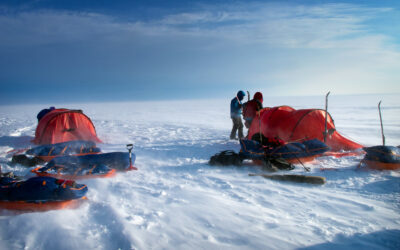
Setting up camp – essential routines
Preparation is, as always, everything. You can never be too well practiced and prepared. Take pitching a tent in strong winds, for instance. It’s something you can train for…
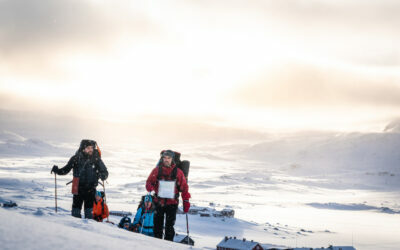
Which cross-country skis? And how long?
Choosing new cross-country BC skis is can be bewildering. We compare length, width, profile. We weigh ourselves and check again. We ask advice on forums. We change our minds repeatedly. So before you pull the trigger, set your mind at rest by reading this overview. If you’re still unsure, you can talk to the expert in your local specialist shop or contact Åsnes’s customer service – we answer questions the whole time and we can usually help!