How to get good glide?
It turns out that prepping alpine touring, alpine and freeride skis is easy. It doesn’t take much equipment, and the wax you choose isn’t the be-all-and-end-all. Apart from the time and expense, there are only advantages – more glide, better protection. Here’s a quick guide.
- It’s good to have something to put the skis on – an old ski box with holes cut into it, ski vices, or something similarly practical.
- Scrape off old wax before you apply new wax. Then take a few strokes with a soft wire or brass brush to clean the sole of debris and dirt and to “exfoliate” loose, dry sole material to produce a fresh sole that glides better.
- Clean the sole with base cleaner and fiberlene paper.
- Heat the wax with a wax iron or an old iron from the charity shop (probably best not to use the steam iron you do your shirts with).
- Use a medium-hard wax (red/pink/purple) as an all-round wax. It works for most people. You can also use quick/universal glide or liquid glide when you’re out in the snow, as shown in the video below, but this isn’t as durable.
- Let the glider harden; you can put the skis out in the cold to speed it up. Allow ten minutes.
- Scrape with with a plexiglass scraper, making sure to get as much of the glide wax off as you can.
- Finally, brush until the sole’s shiny and smooth. You can polish it up to a pretty shine with a fine fibretex pad or a cork.
But I haven’t done my ski bases since 2008 or something.
o it’s been a long time since you last gave your skis some love. The edges are dull. The sole is the colour of marble. Might be worth considering taking them to the ski shop for a once-over. They can machine-sand the sole and get the edges sharp and angled with the electric plane. After this, you can do your ski bases yourself.
As with most maintenance jobs, a little bit every other day is better than an infrequent overhaul.
Glide wax – in detail
How to wax your skis
Drip wax (or crayon on the warmed edge of a block) and even it out on the base with the hot iron. The iron shouldn’t be hot enough to make the wax smoke. Remember to keep the iron moving at all times. When the wax has cooled, scrape the sole with a plastic scraper. Three good long passes or so should do it. Once there’s a razor-thin layer of wax left, go over the sole with a few strokes of the brush again. If you don’t have a sponsor and a race number you can probably skip this bit. Another, faster and more economical, method, is to rub the wax over the sole and then melt it in with a square of fiberlene between the iron and sole. This way you don’t even need to scrape. Once your skis are waxed, they’re ready for the hill. You might want to give them a quick brush down before you stick them in the roofbox.
Ouch – fixing base damage
Minor damage to your bases can often be repaired at home with a P-tex candle – a stick of base material you melt in to the wound. You light one end and let the molten material drip into the injury. You can also use a heat gun. First tidy the injury with a little fine sandpaper. Clean it with rubbing alcohol or degreaser before filling it in with P-tex. Fill the wound well. Press it down with something hard and let it harden a little higher than the rest of the sole. Cut away the excess with a wallpaper knife or sharp metal scraper. Finally, go over the patch with very fine sandpaper and a fine fibertex pad. You can also use a powdered repair compound. You sprinkle it into the ski-wound and then drip hardener on to the powder. It hardens in less than a minute. These methods are all right for minor damage. For major damage, however, a home repair isn’t going to cut it. The only permanent solution is to deliver the skis to a workshop for someone to weld new sole material into the damaged area.
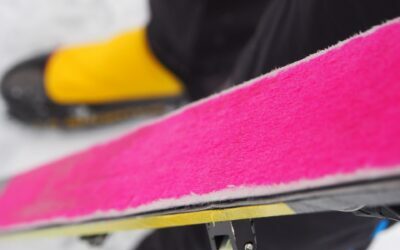
Choosing the right skin
Short skins have revolutionised trips to the backcountry on nordic skis. Long skins get you to the top. You can nail gliding, climbing, pulling, gripping, poor conditions, good conditions, days when you’re feeling too lazy to wax. We break down material, length, width, care, and everything else you’ll want to know.

Tips for long distance ski tours
The first thing I want to say is that if you’re dreaming of something – do it. Just start making it happen! Don’t put it off. Because if there’s one thing that’s certain, it’s that you won’t regret it. It’s amazing what you can achieve if you only begin.
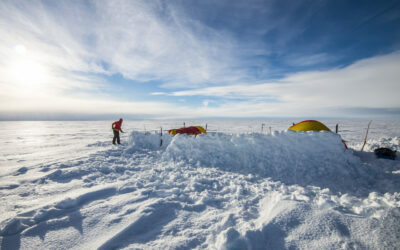
Building a winter windbreak for you tent
To build a windbreak from snow, or not to build a windbreak from snow? This question comes up a lot. Here’s our advice – with a tip for those who’d rather not make the effort…

Equipment tips for Expedition Amundsen
If you’ve signed up for the “world’s hardest expedition race” then you know it’s seriously demanding. Meticulous preparation is absolutely required if you’re going to make it to the finish line at all. This includes making the right choices about equipment. So here’s our guide to help.

How to feed a hunting dog
Correct nutrition is the alpha and omega for a healthy, strong and happy hunting dog performing to its limits day after day in the mountains. A well-trained hunting dog can quickly cover more than 60 km in hilly terrain, marshes and woods. So if you’re out for a number of days, feeding is everything.

Ten tips for a better experience with skins
Skins open the door to wonderful experiences in nature. When they fail, though, it’s very frustrating. Luckily, with proper treatment, storage, and a few tricks, your skins will last forever and won’t let you down when you need them.