New skins?
If you’ve just got some new skins, or your first full set for the mountains – boots, beacon, helmet, poles, skis and skins – you’ll be anxious to get your skins right.
Today, most skins come in fixed lengths and widths. They also have fixtures at the front, and preferably an adjustable fixture at the back, allowing you to adjust the length for your skins. Skins typically come in “clothes sizes”, from extra-small to extra-large. A glance at the size chart or packaging well tell you which one you need.
Does the skin have to cover the entire sole?
No. A skin made for getting you to the top of a mountain doesn’t have to cover the entire ski base. That would be a lot of skin. Neither the tip of the ski and the rear 20cm of the skin are used when you’re propelling yourself. It’s also not a big problem if the skin’s slightly narrower than the ski’s widest points. All you need is relatively good coverage underfoot. Less skin under the ski means less resistance. Which means better glide. You don’t want to lift your skis from the snow while you’re ascending. Generally, most “universal skins” come in 120–130cm widths. This should work in most cases.
Tailoring your skins

Tuning steel edges
Tuning and maintaining your steel edges is pretty simple if you have the tools. If you don’t, you can take them to a workshop to have them machined. Everyone has an opinion when it comes to grinding. And much is a matter of preference. But it’s worthwhile bearing in mind that ski designers made their decisions for a reason…
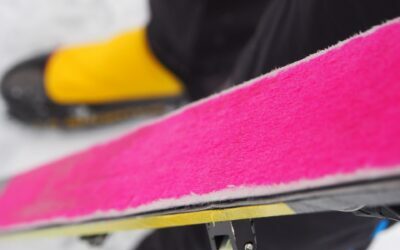
Choosing the right skin
Short skins have revolutionised trips to the backcountry on nordic skis. Long skins get you to the top. You can nail gliding, climbing, pulling, gripping, poor conditions, good conditions, days when you’re feeling too lazy to wax. We break down material, length, width, care, and everything else you’ll want to know.

So – what exactly is a skin, anyway?
Skins are more than a strip of carpet with glue on the back. They’re tools designed to help us in pursuit of pristine snow, perfect lines, and/or solitude. Something this magical demands a proper description of how it’s made.

Training for multi-day tours and expeditions
Generally speaking, there’s no such things as being in “too-good shape” for a long tour. You really want to be in the best shape possible before you set off…
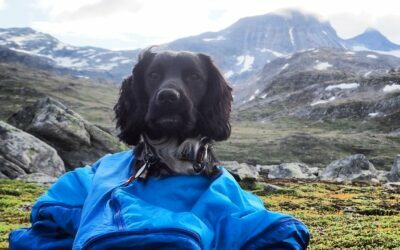
Care for the outdoors dog
All good research on dog training agrees: planning is key for keeping a dog happy and thriving. This applies when adapting to new environments and weather conditions. Ideally, your dog would probably be inside the cabin or at home in front of the fireplace as much as possible when it’s cold outside. But if we make the decision to take the dog out into the cold, it’s our responsibility to make certain that the animal’s well protected.

Packing a pulk
A quick introduction to packing a pulk. And a few words about the wonderful combination of pulk and skins. We’re having fun in pack-a-pulk-o!