New skins?
If you’ve just got some new skins, or your first full set for the mountains – boots, beacon, helmet, poles, skis and skins – you’ll be anxious to get your skins right.
Today, most skins come in fixed lengths and widths. They also have fixtures at the front, and preferably an adjustable fixture at the back, allowing you to adjust the length for your skins. Skins typically come in “clothes sizes”, from extra-small to extra-large. A glance at the size chart or packaging well tell you which one you need.
Does the skin have to cover the entire sole?
No. A skin made for getting you to the top of a mountain doesn’t have to cover the entire ski base. That would be a lot of skin. Neither the tip of the ski and the rear 20cm of the skin are used when you’re propelling yourself. It’s also not a big problem if the skin’s slightly narrower than the ski’s widest points. All you need is relatively good coverage underfoot. Less skin under the ski means less resistance. Which means better glide. You don’t want to lift your skis from the snow while you’re ascending. Generally, most “universal skins” come in 120–130cm widths. This should work in most cases.
Tailoring your skins
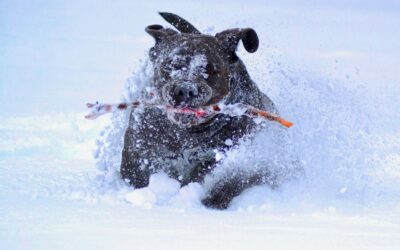
The NFSA guidance for outdoor dogs
The Norwegian Food Safety Authority (NFSA)’s rules for keeping dogs outdoors, and for interacting with dogs, is useful for adults and children alike.

Five tips for hitting the slopes with skins!
Five rules for skinning up a mountain safely and enjoyably. A truly competent, experienced ski guide would probably say there should be about twenty. We’re sticking to five get this true wisdom to stick! Consider these rules the basic pillars of laying down ski tracks right – a checklist of things to remember the next time you point your skis to the peak.

Waxing and prepping alpine touring skis
We don’t put in all that effort just for the view. We do it for the way down. So let’s talk about glide wax. It provides better glide, protects the sole from wear. The specific wax, even how carefully you do the work, isn’t really so important – it’s not a race. And it doesn’t have to be complicated at all…

Packing for alpine touring
Some extra clothes, a headlamp and a spare battery for the avalanche beacon. These go in the pack without thinking. But what else do you need? We asked mountain guides and our panel of experts what we should bring. Here’s what they said – with some useful advice and tips.
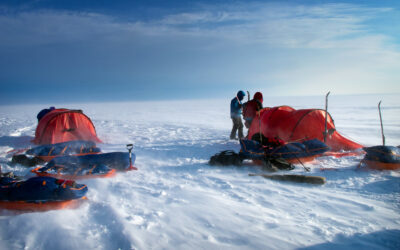
Setting up camp – essential routines
Preparation is, as always, everything. You can never be too well practiced and prepared. Take pitching a tent in strong winds, for instance. It’s something you can train for…

Dressing for adventure: what to wear in the wild
Norwegian grandmothers have it right: always wear wool against the skin. Beginning with wool as the first layer, the three-layer principle applies. Step this way for a guide to wrapping up warm in the wild.