New skins?
If you’ve just got some new skins, or your first full set for the mountains – boots, beacon, helmet, poles, skis and skins – you’ll be anxious to get your skins right.
Today, most skins come in fixed lengths and widths. They also have fixtures at the front, and preferably an adjustable fixture at the back, allowing you to adjust the length for your skins. Skins typically come in “clothes sizes”, from extra-small to extra-large. A glance at the size chart or packaging well tell you which one you need.
Does the skin have to cover the entire sole?
No. A skin made for getting you to the top of a mountain doesn’t have to cover the entire ski base. That would be a lot of skin. Neither the tip of the ski and the rear 20cm of the skin are used when you’re propelling yourself. It’s also not a big problem if the skin’s slightly narrower than the ski’s widest points. All you need is relatively good coverage underfoot. Less skin under the ski means less resistance. Which means better glide. You don’t want to lift your skis from the snow while you’re ascending. Generally, most “universal skins” come in 120–130cm widths. This should work in most cases.
Tailoring your skins
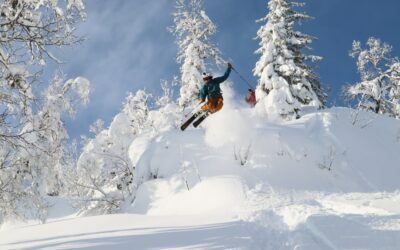
Eight things to check before you start the season
Before you drop everything at the first sign of snow and rush out to ski, keep yourself and your crew safe by checking that you’re “avalanche ready” before the season really starts!
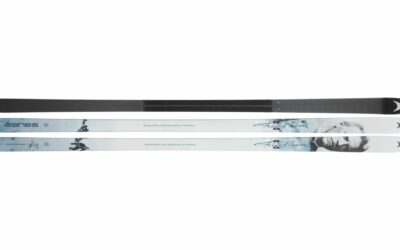
Waxless or waxable skis?
Buying new skis and not sure whether to choose waxable or waxless bases? Maybe you think grip wax is tricky. Maybe you find the convenience of waxless is enticing. Here’s your path through the pros and cons (and the science!) of both…
Hot waxing skins
Hot waxing skins? Yes. That’s right. The rumours are true: you can wax skins. With glide wax. And an iron. And for alpine touring, it works a total treat.

Dressing for adventure: what to wear in the wild
Norwegian grandmothers have it right: always wear wool against the skin. Beginning with wool as the first layer, the three-layer principle applies. Step this way for a guide to wrapping up warm in the wild.
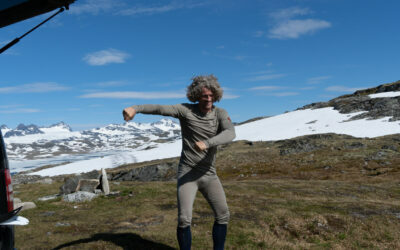
Wool is completely excellent
Norway’s famous for its changeable weather. Even in summer it can vary from 5° to 30° C. Such variable weather makes it difficult to know how to dress – which is why we say “ull er gull”: wool is gold. Wool keeps you warm in winter, and regulates your temperature in the summer. Wool is the best. A billion sheep can’t be wrong.
The NFSA guidance for outdoor dogs
The Norwegian Food Safety Authority (NFSA)’s rules for keeping dogs outdoors, and for interacting with dogs, is useful for adults and children alike.