Wax your ski-wigs
Wait. What. You mean – deliberately melt wax into the skin? Like… glide wax? Won’t they melt? What’s wrong with that two-coloured wax stick that lives in the breast pocket of my GoreTex shell? Well, gather round as we spill the secret to rapid ascents. And, no, it’s not intravenous coffee or being gene-spliced with sea mammals that can hold their breath for an hour. Many experienced rando-racers, ski guides and summit-hungry skidorks like the rest of us simply wax their skins in the same way they do their skis. It improves glide. It prevents icing up. It protects your skins. Yes, many skiers carry small blocks of wax to crayon on to the skin to prevent them icing up. This works; out in the field it can save the day. But hot waxing in preparation for a tour is much more effective and gives better performance. Rando-racers and national teams wax their skins for better glide. And there’s no serious reason why the rest of shouldn’t either. Less ice. Better glide. We all deserve this. So let’s get into the details.Here are the details
Enjoy your freshly prepared, fast, hardy, non-stick skins – and don’t keep the good news to yourself!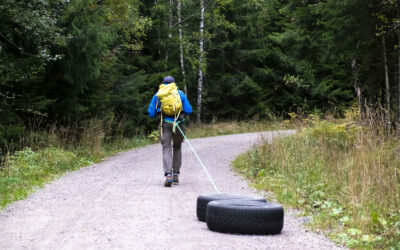
Tyre training
Get started with tyre training – the best way to prepare for an expedition or the coming ski season.

Five tips for hitting the slopes with skins!
Five rules for skinning up a mountain safely and enjoyably. A truly competent, experienced ski guide would probably say there should be about twenty. We’re sticking to five get this true wisdom to stick! Consider these rules the basic pillars of laying down ski tracks right – a checklist of things to remember the next time you point your skis to the peak.
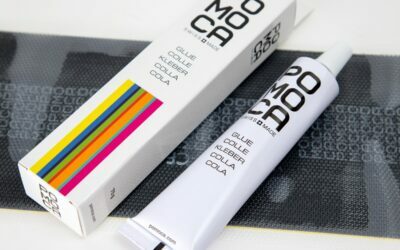
Replacing and renewing glue on skins
Unfortunately, skin glue doesn’t last forever. The skin itself, on the other hand, only gets better and better until it wears out. So if you replace the old glue, your skins can last many years. Moribund glue can be replaced, either with tape or sheets, or from a tube. We explain how.

Tips for long distance ski tours
The first thing I want to say is that if you’re dreaming of something – do it. Just start making it happen! Don’t put it off. Because if there’s one thing that’s certain, it’s that you won’t regret it. It’s amazing what you can achieve if you only begin.
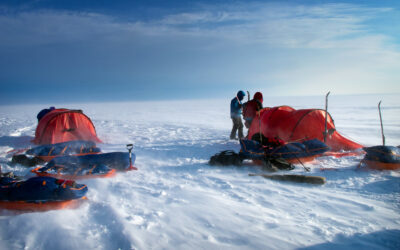
Setting up camp – essential routines
Preparation is, as always, everything. You can never be too well practiced and prepared. Take pitching a tent in strong winds, for instance. It’s something you can train for…

Waxing and prepping alpine touring skis
We don’t put in all that effort just for the view. We do it for the way down. So let’s talk about glide wax. It provides better glide, protects the sole from wear. The specific wax, even how carefully you do the work, isn’t really so important – it’s not a race. And it doesn’t have to be complicated at all…